
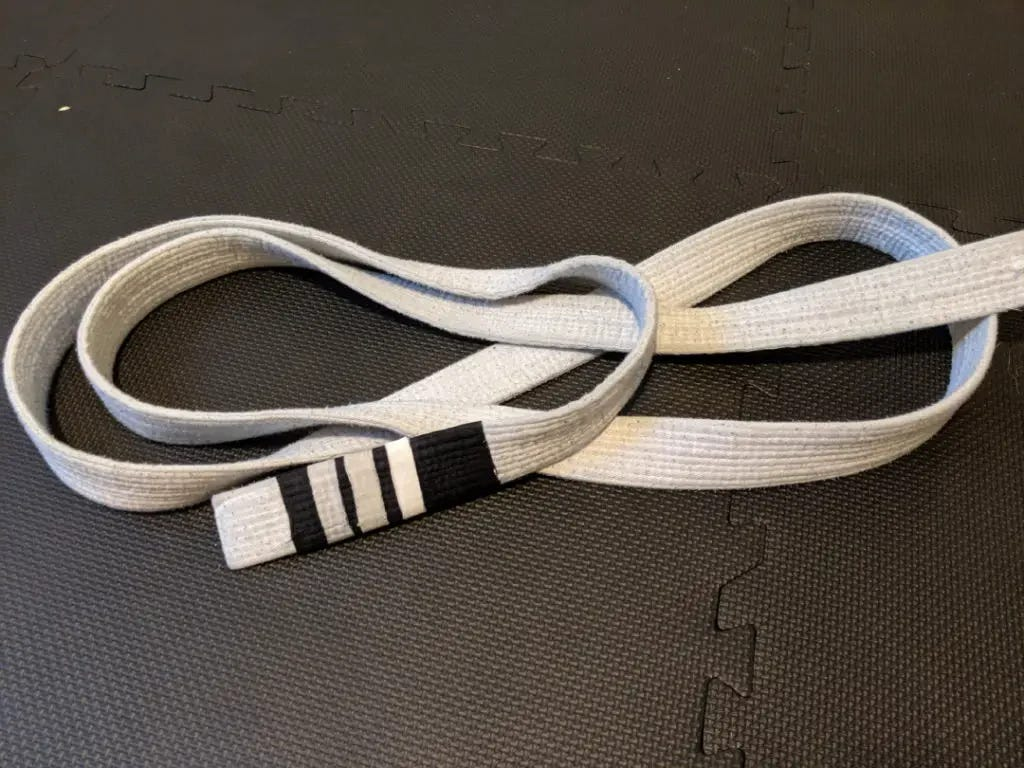
Starting your martial arts journey as a white belt is exciting—but it can also be overwhelming. Everything feels new, your body moves in unfamiliar ways, and progress often feels slower than you’d like. That’s normal.
The good news? Most white belts make the same mistakes. Once you know what they are, you can avoid them—and accelerate your learning while staying healthy and motivated.
Here are five of the most common white belt mistakes and how to fix them.
1. Trying to Win Every Round
The Mistake:
Many white belts treat every sparring round like a championship final. They muscle through techniques, hold their breath, and panic when things don’t go their way.
Why It’s a Problem:
Training isn’t about winning—it’s about learning. Going full throttle all the time slows your technical development and increases your risk of injury (to yourself and others).
How to Avoid It:
- Focus on position and technique, not submissions
- Slow down and breathe
- Accept that tapping is part of learning
Remember: you don’t get better by “winning” in the gym—you get better by understanding what’s happening.
2. Ignoring the Fundamentals
The Mistake:
White belts often chase flashy submissions or advanced techniques they see online, skipping the basics.
Why It’s a Problem:
Without solid fundamentals, advanced techniques won’t work when it matters. Guard retention, posture, base, and escapes are what actually keep you safe and effective.
How to Avoid It:
- Spend extra time on escapes and positional control
- Ask your coach questions about why techniques work
- Drill the basics even when they feel repetitive
Strong fundamentals are what separate long-term practitioners from quitters.
3. Using Too Much Strength
The Mistake:
Relying on speed, strength, or explosiveness instead of technique.
Why It’s a Problem:
Strength can hide technical flaws early on—but it stops working as soon as you face someone more skilled. It also leads to faster burnout and more injuries.
How to Avoid It:
- Train at 60–70% effort during most rounds
- Focus on leverage and timing
- Roll with smaller or more experienced partners to refine technique
Technique should make things feel easier, not harder.
4. Comparing Yourself to Everyone Else
The Mistake:
Watching teammates progress faster and thinking, “I’m terrible at this.”
Why It’s a Problem:
Everyone starts with different athletic backgrounds, learning speeds, and goals. Comparison kills motivation and confidence.
How to Avoid It:
- Measure progress against your past self
- Celebrate small wins (better escapes, calmer rolls, smarter decisions)
- Trust the process
Consistency beats talent every time.
5. Skipping Rest and Recovery
The Mistake:
Training too often, ignoring soreness, and believing more is always better.
Why It’s a Problem:
Your body needs time to adapt. Overtraining leads to fatigue, injuries, and eventually burnout.
How to Avoid It:
- Take rest days seriously
- Sleep, hydrate, and stretch
- Listen to your body
Progress happens between training sessions—not just during them.
Final Thoughts
Being a white belt is about building a foundation—not being perfect. Mistakes are part of the journey, but awareness makes a huge difference.
Slow down. Stay curious. Train smart.
If you stick with it, one day you’ll look back and realize how far you’ve come—and you’ll be helping the next white belt avoid the same mistakes.
Best selling products
-
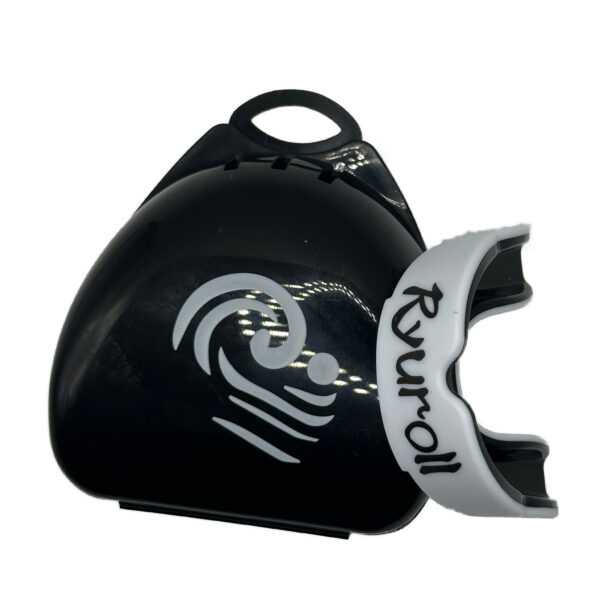
Ryuroll Mouth Guard
€12.95 -
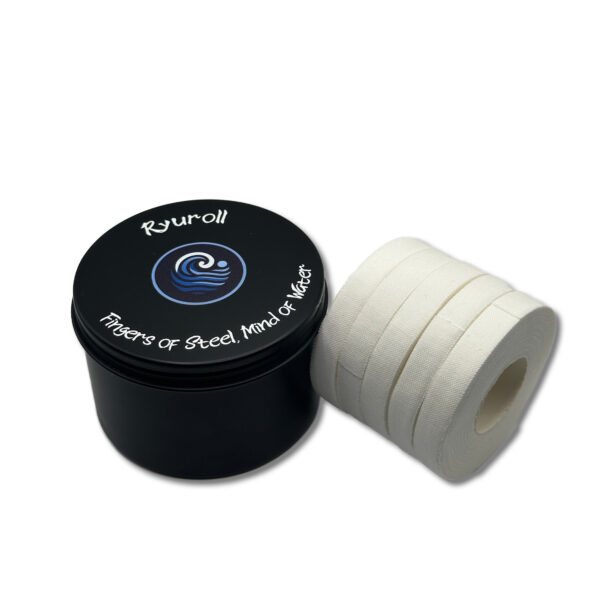
Ryuroll Black Tin with 5 Tapes
€11.95 -

FLOW KIMONO
€145.00 -

Ryuroll 21.9oz/0.65L Water Bottle – Eco-Friendly Hydration for Active Lifestyles
€18.50 -
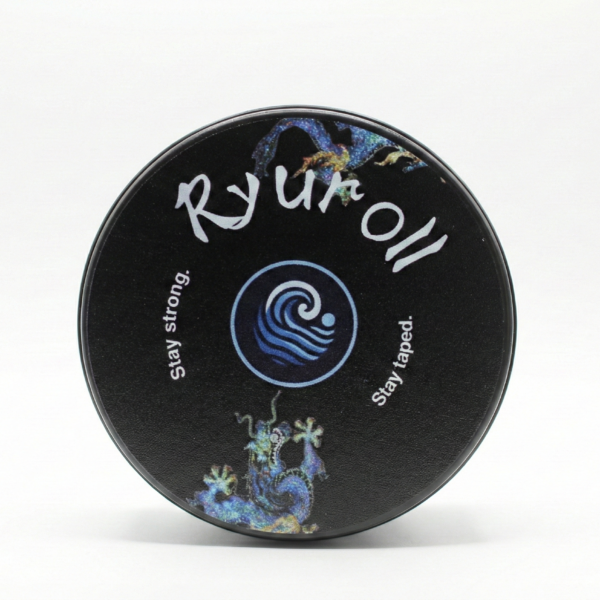
Core Finger Tapes – Premium Pack
€14.95 IVA incluido